3–5 days
One simple mechanic
An indicative development range when suitable ready-made assets are available and the prototype needs one simple mechanic, limited content and an agreed test platform. We can use free or paid assets that fit the project.
Game Development
I build 2D and 3D games in Unity for PC, Android, iOS and VR/XR devices. I can create a playable prototype, develop a small complete game or add features to an existing game. We agree what I will build, what it will cost and the delivery plan before work starts.
Prototype, test, then decide
Start with one playable idea and the tracking needed to learn from it. A smaller scope can reduce the initial cost and time compared with developing the full game. We agree the work and budget for each stage separately.
For two years, I worked in short development cycles, implementing individual gameplay mechanics in 1–3 weeks and preparing playable builds for testing.
3–5 days
An indicative development range when suitable ready-made assets are available and the prototype needs one simple mechanic, limited content and an agreed test platform. We can use free or paid assets that fit the project.
1–3 weeks
An indicative development range for a more complex mechanic or a small combination of mechanics. Custom art, multiplayer, new server features or substantial content may require a separate scope and longer schedule.
1–2 weeks
A possible first observation window after tracking is checked, the test is live and players start arriving. We review behavior, technical problems and acquisition costs where measured. Too few players or incomplete data may mean extending the test.
These are planning ranges, not fixed delivery promises. I confirm the schedule after reviewing the idea, available assets, platform and dependencies. Testing follows development; recruitment, campaign review or store approval can add time. A prototype is not a complete release-ready game.
I use a structured testing process, adapted to the prototype, audience and budget. We agree the recruitment channels, advertising setup, metrics and responsibilities with you before testing.
We agree any paid asset licenses before purchase. Asset compatibility and permitted use need checking. Custom art, advertising, test-user recruitment and ongoing services are separate costs unless explicitly included.
Review the evidence together: develop further, change the idea or stop. The next stage needs a new agreement. An early test informs that decision; it does not guarantee demand, retention or revenue.
Discuss a first prototypeWhen this fits
01
Test the core gameplay with a playable build on an agreed platform. Placeholder art can keep the focus on the mechanic. Extra content, release polish and store preparation are separate unless included in the scope.
02
Build a focused game with agreed content, menus, saves, testing and release preparation. Define what finished includes before production; a complete small game is a different deliverable from a prototype.
03
Add agreed gameplay, abilities, menus or other features to your prototype or game, or prepare it for release. Before work starts, we agree what must be ready, who supplies the assets and how you will check the result.
What you receive
Agree how the game will be built, which features the first version will include and how we will check that they work. That first version may test a gameplay idea, demonstrate a representative part of the game or complete an agreed set of features.
Maintainable Unity architecture connecting the agreed gameplay, abilities, progression, UI, saves, analytics and platform integrations.
Windows, Android, iOS or headset builds as agreed, with performance profiling and fixes for device-specific issues within the defined testing scope.
Build configuration, agreed release support and practical documentation covering setup, project structure and remaining work.
I remain your technical lead and main point of contact. Trusted creative and QA specialists can join by agreement; their work and fees are scoped explicitly, as are backend and publishing responsibilities. I estimate milestones after reviewing the requirements or code; release dates and store approval are not guaranteed.
Selected game-development evidence
Each project below shows a different product shape and a specific engineering role. The public project videos, independent gameplay review and systems map are portfolio evidence—not claims about current store availability or commercial results.
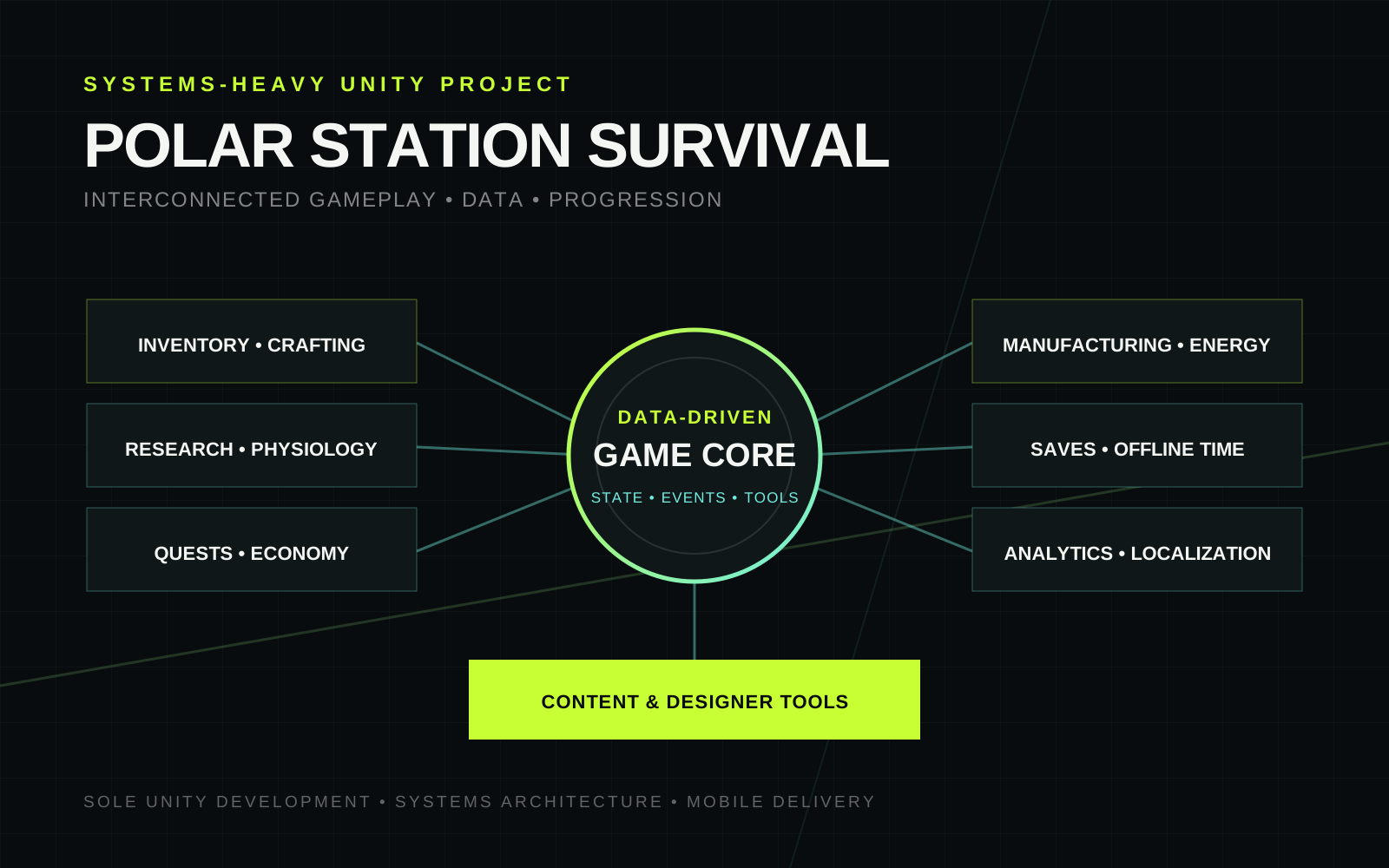
Systems-heavy 2D mobile project
Sole Unity Developer · Systems Architect
Owned the complete Unity implementation across a 2+ year production engagement and 20+ interconnected gameplay and technical systems, integrating the team’s art, audio, game design and balance work.
Read the full case study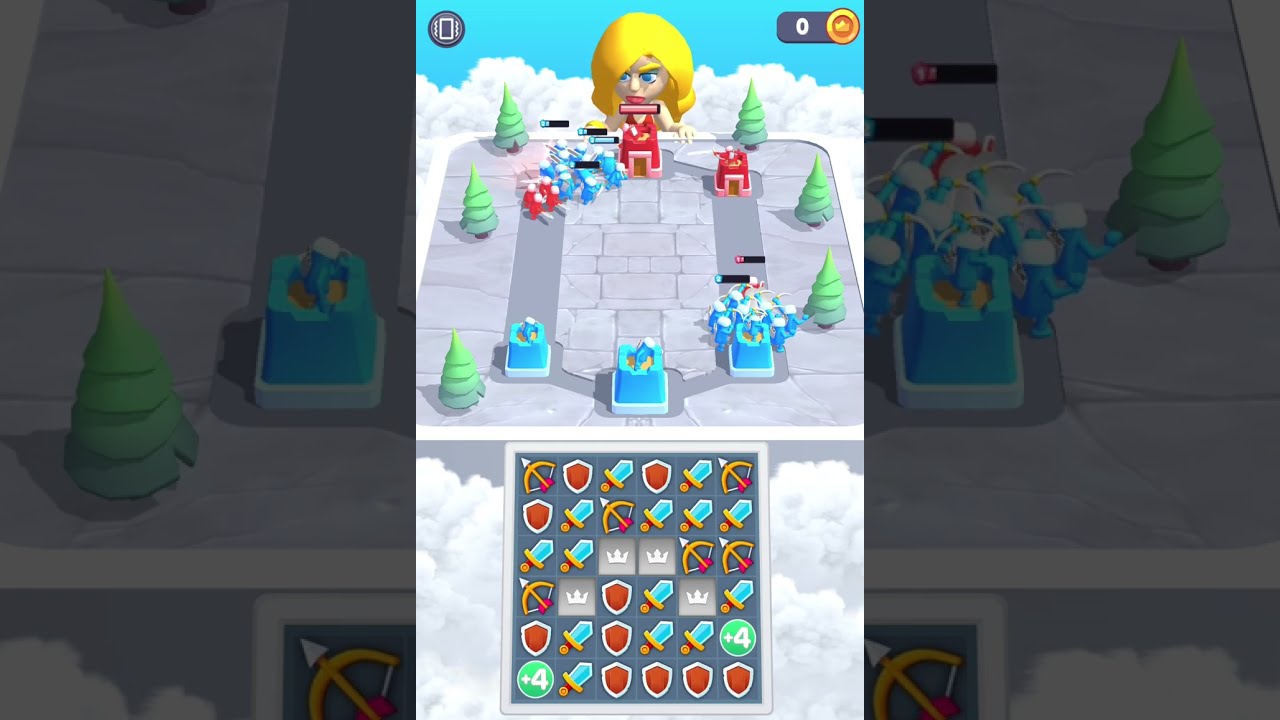
Hybrid mobile puzzle battler
Sole Unity Developer · Gameplay Systems Architect
Built the complete Unity implementation linking a 6×6 match board to unit classes, lane battles, towers, upgrades and 60 designer-authored level configurations at JetApps.
Read the full case study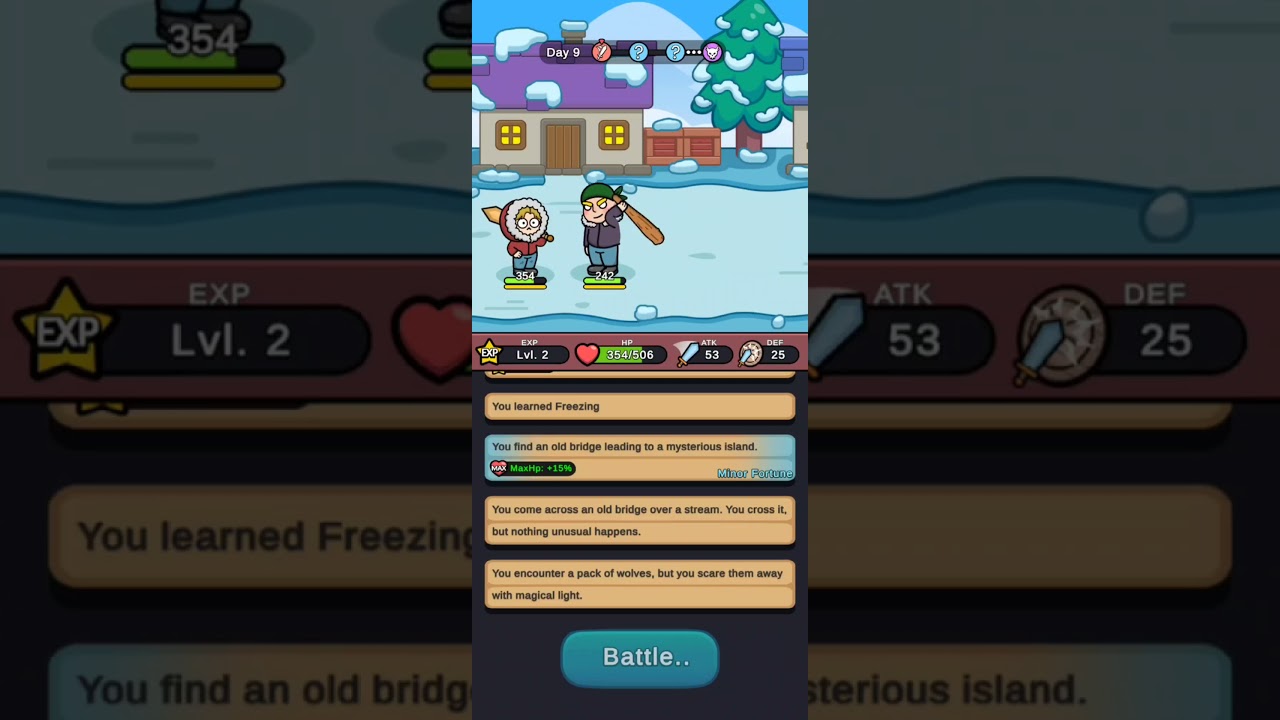
Data-driven mobile combat game
Sole Unity/C# Developer · Gameplay Systems Architect
Built the Unity gameplay and systems implementation around a three-option ability draft and composable runtime attacks, connecting status effects and combat stats to a configured 60-day journey and progression loop.
Read the full case study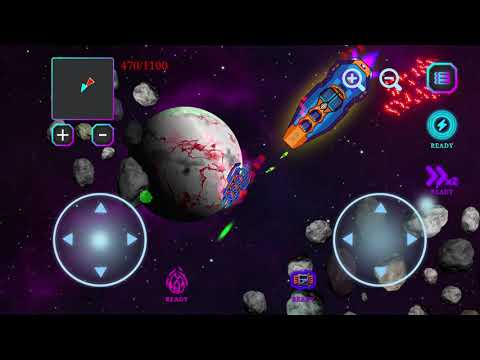
Mobile arcade game
Sole Unity Developer & Game Designer
Took an original concept to a complete playable game, including spaceship combat, weapon crafting, ship upgrades and enemies with different weapons.
Watch project videoHow we work together
Clarify the users, core experience, target platforms, current state and what the next release needs to achieve.
Review constraints and choose a focused scope with explicit assumptions, dependencies and acceptance criteria.
Implement in milestones, share working builds and explain technical decisions as they arise.
Validate the agreed scope, address platform and performance issues, and prepare the builds and handover.
Relevant development experience
Hands-on Unity ownership across systems-heavy mobile games and a shipped Steam PCVR title. My role is engineering; each case identifies the team’s creative contribution.
Shipped Steam PCVR
Sole Unity engineer and technical owner across architecture, rhythm gameplay, XR interaction, tooling, builds and release delivery.
View the game on SteamSystems-heavy mobile game
Sole Unity developer and systems architect over 2+ years, connecting 20+ gameplay and product systems. The team supplied art, audio, game design and balance.
See what I builtBefore we start
Either works. For a new game, I help choose how to build it and what the first playable version should include. If you already have a prototype, I check what can be reused and what needs work before adding features.
Choose one useful first scope instead of funding every feature at once. We agree deliverables, review points, dependencies, fee and delivery plan before work begins. Additional features, content or platforms are estimated before they are added.
I can work on 2D and 3D Unity games for PC, Android and iOS, and games for PC VR and other XR devices. We agree the devices, store requirements and connections to other services before I estimate the work.
Yes. We can start with a paid prototype to try the main gameplay, test a technical idea or check the game on a target device. I estimate that work after discussing the concept, available assets, device requirements and who will handle art, design, server features, testing and publishing.
Yes. I can involve trusted artists, QA testers, sound designers and game designers from my professional network, or work alongside your team. You continue to discuss the product and technical decisions with me. We agree each specialist’s availability, scope, fees and confidential access first. Backend development and other dependencies need separately agreed owners.
Discuss game development
Share the game idea, target platform and what you want to try first. You do not need a complete design document to start the conversation.
Have a limited budget? Tell me your priority and the range you’re comfortable with. I’ll be clear about a realistic first step.
Confidential from the first conversation
I count contact interactions in aggregate, without visitor IDs or message contents.
Build a non-game app
Improve an existing product
Keep a product moving
Revive & retest a product
Connect AI to a real workflow
Bring the right skills together
Check quality before the next step